

Resident Doctors Strike
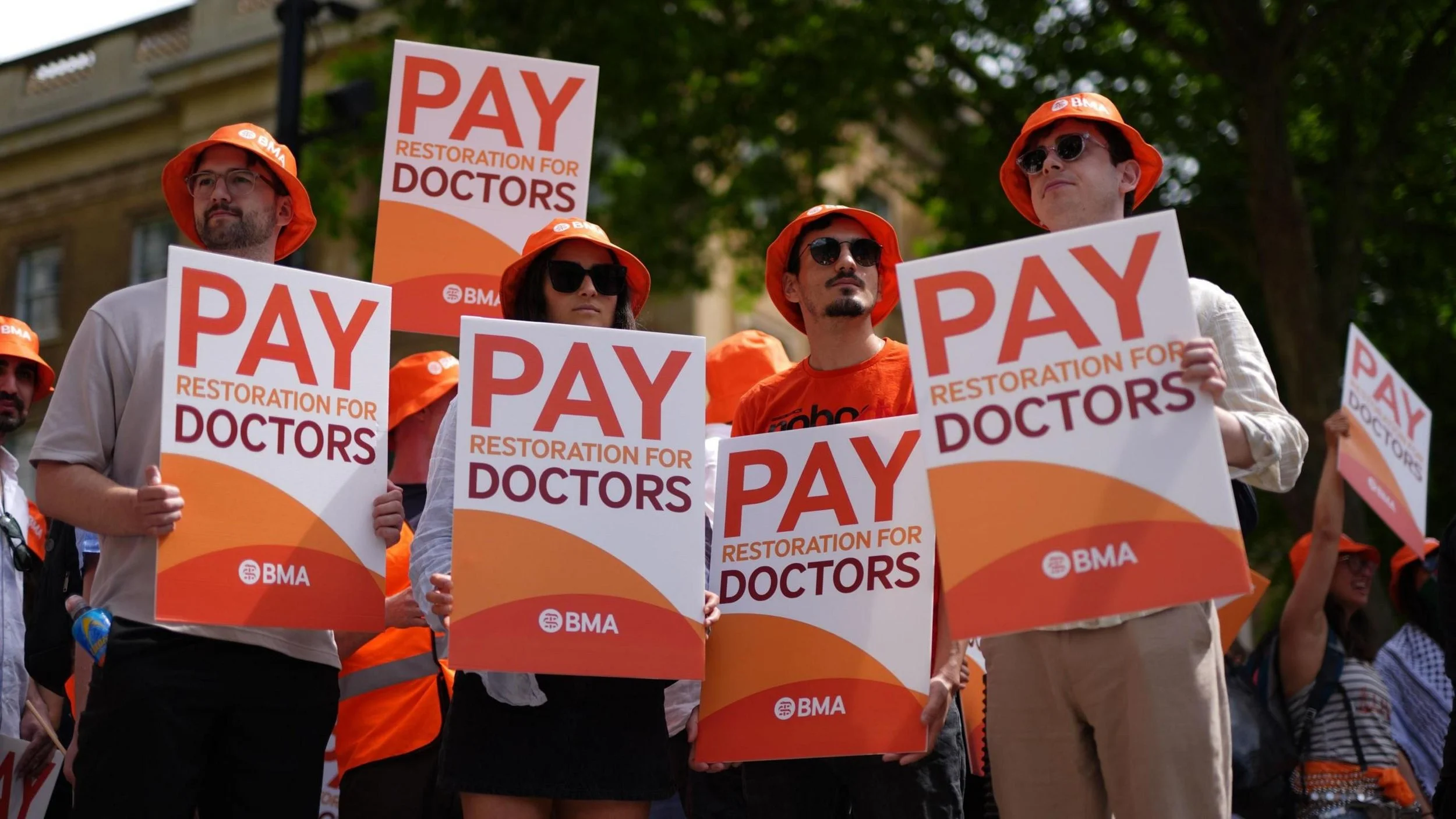
Resident Doctors are set to strike in November in a long running dispute between the government and the BMA. But why are they striking, and how should you tackle a question on the strikes in your interview?
What is a resident doctor?
Resident doctors (often called junior doctors) are qualified physicians below consultant or GP level. They form the backbone of hospital care while also training for specialist qualifications. After completing the two-year Foundation Programme, many apply for competitive specialty training posts - though growing numbers now struggle to secure one.
The latest strikes: what’s happening and why
The latest round of strikes in England, led by the British Medical Association (BMA), comes after talks with the government broke down. Doctors argue that their pay has fallen by around 25–30% in real terms since 2008, leaving morale and retention at historic lows. The Department of Health and Social Care, however, says large pay rises are unaffordable and risk diverting funds from patient care.
While pay dominates headlines, doctors stress that this is also about conditions and career structure - excessive workloads, limited training opportunities, and burnout across the NHS.
An overlooked issue: training bottlenecks and job insecurity
A less-discussed but increasingly serious problem is the shortage of training posts after the foundation years. Thousands of UK-trained doctors now compete for far fewer specialty training positions, leaving many unemployed or in non-training “service” jobs. This bottleneck wastes taxpayer investment in medical education and drives doctors abroad, even as the NHS faces record staff shortages.
Critics argue that international recruitment is being prioritised over expanding opportunities for UK graduates, compounding the frustration among early-career doctors.
How to approach a question on the strikes
If asked about the strikes in an interview or essay:
Define the issue - who resident doctors are and why they’re striking.
Acknowledge both sides - doctors seeking fair pay and better training; government citing financial constraints. Before you express an opinion you should demonstrate an understanding of both sides. Excellent candidates will be able to link it back to the 4 pillars of medical ethics.
Highlight the deeper issue - not just pay, but the lack of training posts and poor workforce planning.
Offer a balanced view - argue for sustainable pay restoration, expansion of UK training places, and improved working conditions to retain doctors long-term. You are allowed on one side of the fence and as an interviewer, it is often a relief to interview a candidate who is not afraid to express and back up their opinion.
In summary:
The strikes are about more than pay — they expose a broken career pipeline that leaves many UK-trained doctors without a clear future. Fixing that, alongside fair remuneration, is essential for building a sustainable NHS workforce.
