

Assisted Dying in the UK: Balancing The 4 Pillars
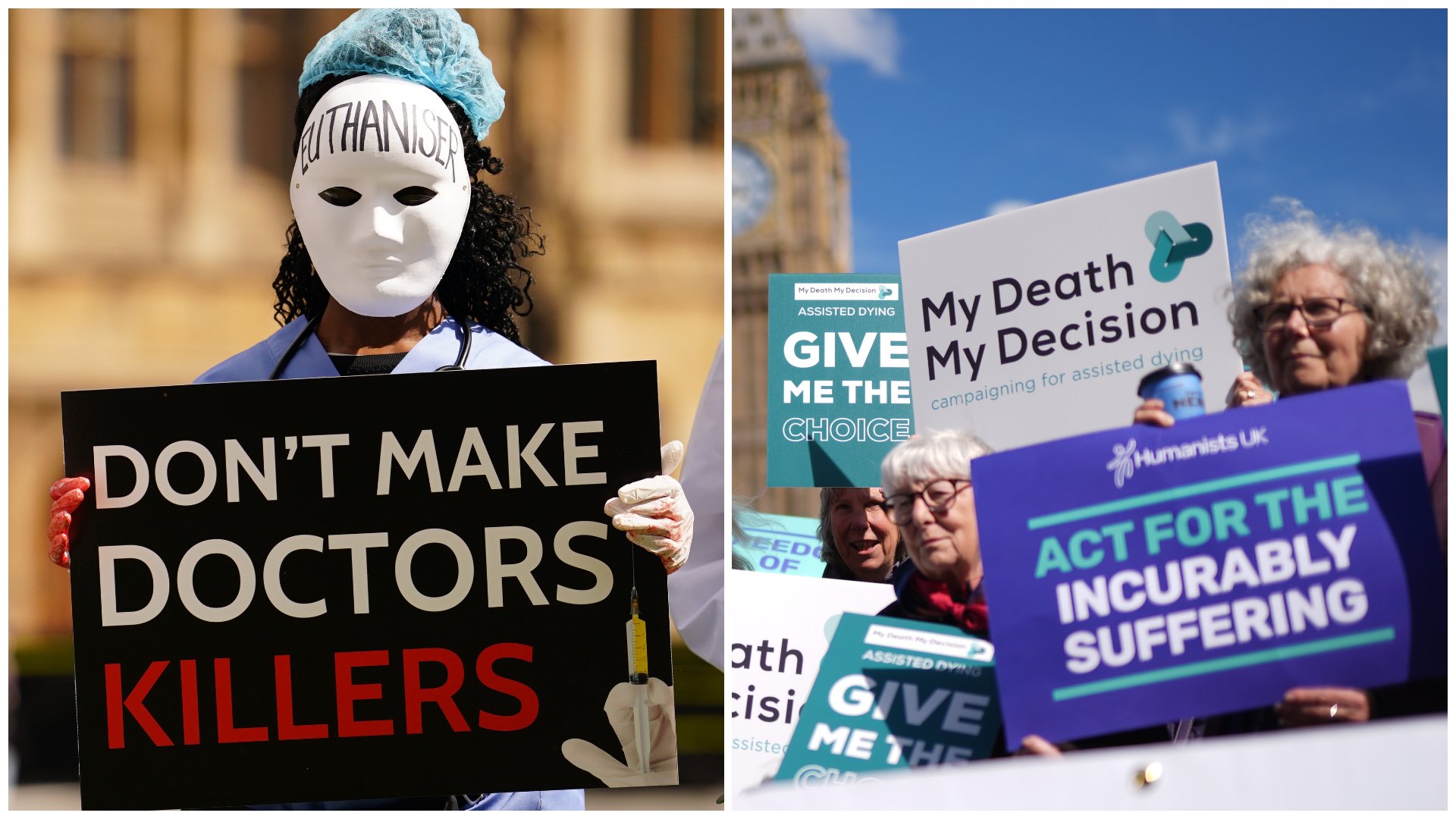
A controversial topic: chances are by the time you are seeing patients this will be law. Medical schools are then very likely to ask you about this topic at interview. But what do you need to know?
What’s changing?
Few topics in medicine divide opinion quite like assisted dying. The UK’s new Terminally Ill Adults (End of Life) Bill has once again brought the issue to Parliament - and to public conversation.
Currently, assisting another person’s death is illegal under the Suicide Act 1961, carrying a potential prison sentence of up to 14 years. The new Bill proposes that mentally competent adults with terminal illness (defined as a prognosis of less than six months) could, under medical supervision, choose to end their own lives. Two doctors would have to verify capacity, voluntariness, and eligibility - and the process would be tightly regulated.
Understanding the terminology
Conversations about end-of-life care can get lost in the vocabulary, so it’s important to be clear:
Passive euthanasia: allowing death by withholding or withdrawing treatment.
Active euthanasia: directly causing death, for instance through a lethal injection.
Voluntary euthanasia: done at the patient’s request.
Involuntary euthanasia: carried out without the patient’s consent. For context, we’re not talking about murder here, this could be the case when turning off life-support for a patient in a coma who is unable to consent, but if euthanasia is illegal in the UK, how is this legal? More on this later.
The proposed legislation does not legalise euthanasia - it allows assisted dying, meaning a person takes the final act themselves, but with medical support and under strict conditions.
The Doctrine of Double Effect
In practice, doctors already face ethically complex situations at the end of life - and the Doctrine of Double Effect (DDE) often guides their decisions.
This principle holds that an action producing both a good and a harmful outcome can be morally permissible if the intention is to achieve the good effect, and the harm is an unintended side effect.
In medical terms, this means that administering high doses of pain relief - such as opioids - which may hasten death, can still be ethically acceptable if the doctor’s primary intention is to relieve suffering, not to cause death.
The DDE therefore distinguishes between intending to end life and foreseeing that death might occur as an unintended consequence of palliative treatment.
This principle is crucial because it explains why certain end-of-life practices are already lawful under UK medical ethics - even though their outcomes might superficially resemble assisted dying. The Assisted Dying Bill, however, goes a step further: it involves the intention to end life, albeit at the patient’s voluntary request. A common example would be switching off a life-support machine. Here a doctor will know this action will most likely result in death but the aim of doing so is to relieve suffering from a futile treatment that will not save a patient, death is a secondary technically unintended consequence.
The case for and against
Supporters of assisted dying argue that the current system forces terminally ill people to suffer unnecessarily, or to travel abroad to die on their own terms. They see the Bill as a compassionate, tightly controlled reform. They argue it maximises a patient’s autonomy, empowered to make the decision themself about where, when, with who, and how they want to die.
Opponents warn that legalising assisted dying risks pressuring vulnerable individuals, undermining trust in healthcare, and shifting the medical profession’s focus from healing to hastening death. They also point out that existing ethical frameworks like the DDE already allow doctors to manage suffering effectively without crossing the line into intentional killing. There are concerns from those who look abroad to other countries like Canada where even those with mental health problems can qualify for assisted dying. This is not going to be the case with the law change in this country but it opens up the “slippery slope” argument.
As with most ethical dilemmas in medicine, the debate around assisted dying can be framed through the lens of the four pillars of medical ethics, with arguments both for and against each.
Autonomy
For: Patients should have the right to decide how, when, and where they die, and to choose to avoid unnecessary suffering at the end of life if it is ultimately preventable.
Against: If legalised, some patients may feel coerced or perceive themselves as a burden, leading them to opt for assisted dying even when it does not truly reflect their wishes.
Non-Maleficence
For: As doctors, we are bound by the principle of “do no harm.” Allowing a patient to endure prolonged, severe suffering when it could be avoided may itself constitute harm.
Against: Taking a life is the most direct form of harm - can this ever align with the duty to “do no harm”? Yet some may argue that a controlled, peaceful death is less harmful than prolonged pain and distress.
Beneficence
For: Helping patients in unbearable pain, or those facing inevitable suffering, to die in a manner and time of their choosing can be seen as an act of compassion and beneficence.
Against: Patients in extreme distress may not always make decisions in their best interest. The “slippery slope” argument points to examples such as Canada, where individuals with severe depression may qualify for assisted dying - raising the question of whether beneficence sometimes means refusing such requests and instead offering alternative support to prevent irreversible harm.
Justice
For: Assisted dying promotes fairness and equality in end-of-life care, ensuring that all patients - regardless of their condition or financial means - have equal access to a dignified death and the relief of suffering.
Against: Implementing such a system fairly could be challenging. With an already overstretched NHS, can we realistically and equitably provide the legal, medical, and judicial oversight required, or would this create a new postcode lottery of access to assisted dying services?
How to talk about assisted dying
If you’re asked about assisted dying — in an interview, debate, or essay — a clear and balanced structure works best:
Define the law: explain the Suicide Act and what the new Bill changes.
Outline ethical distinctions: describe the differences between assisted dying, euthanasia, and the DDE.
Present both sides: autonomy and relief of suffering versus protection and trust.
Conclude with balance: acknowledge the need for compassion, but emphasise that ethical and practical safeguards must underpin any legal change.
A final thought
Assisted dying sits at the intersection of ethics, empathy, and law. The Doctrine of Double Effect reminds us that doctors already make morally weighty decisions at the end of life - decisions rooted in intention and compassion. The question now facing Parliament is whether the law should evolve to match that moral reality, or whether some lines are best left uncrossed.
